Funding Projects Without Massive Specials What Works In Florida Right Now
2026-01-20
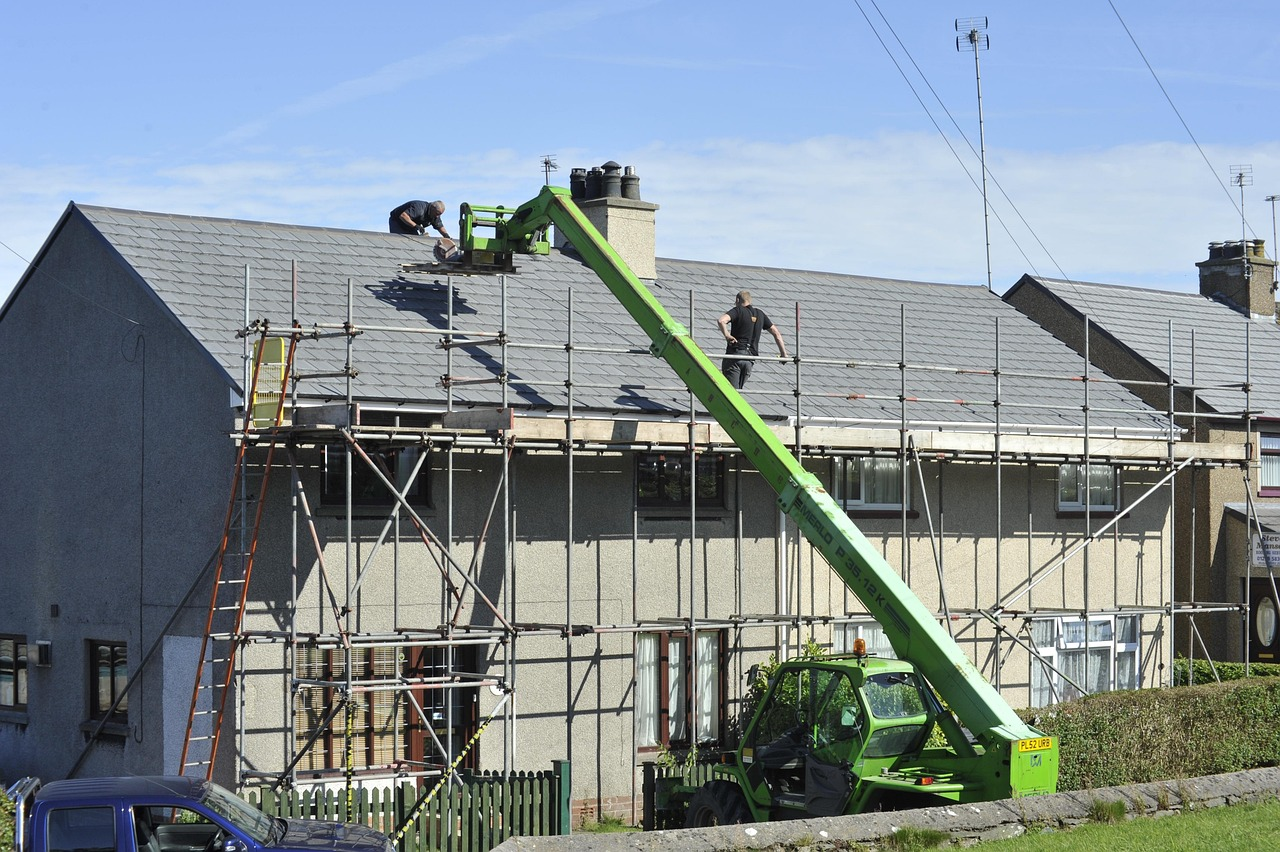
Funding Projects Without Massive Specials: What Works in Florida Right Now__
Florida boards are getting squeezed from both sides. On one side, buildings are aging in a climate that’s hard on concrete, waterproofing, and balconies. On the other, homeowners are less willing (and often less able) to absorb a surprise five-figure special assessment on a short deadline. If you’re trying to keep a community safe, compliant, and financially stable, you already know the hardest part isn’t finding contractors—it’s finding a funding plan that actually passes.
The good news is that boards are getting projects approved without blowing up owner relationships. It just takes a more deliberate approach than “we’ll assess it and deal with the backlash later.”
Key Takeaways
- Florida compliance deadlines and inspection findings are pushing projects to the top of the priority list.
- Special assessments still have a place, but they’re often the least workable option for large scopes.
- The best plans combine clear scope control, realistic reserve strategy, and a payment structure owners can live with.
- Approval gets easier when boards show per-unit math early and communicate like adults, not like debt collectors.
- A repeatable process (reports → scope → bids → funding model → owner vote) reduces drama and protects the board.
Why Florida funding feels different lately
Florida’s milestone inspection and reserve requirements changed the timeline for decision-making. Buildings that meet the criteria can’t simply “wait another year” and hope costs come down. The state has set out how milestone inspections work, who they apply to, and the deadlines that follow based on building age and certificate of occupancy—details worth reviewing on the DBPR milestone inspection guidance page before your next board workshop.
The bigger shift, though, is financial. Senate Bill 4-D defined and expanded requirements around structural integrity reserve studies and reserve funding for certain components, which is part of why so many associations are staring at larger numbers than they expected. If you want the source material for your legal and engineering team, the SB 4-D bill text lays out key definitions, including what a structural integrity reserve study is.
And then there’s the “second wave” of adjustments. Florida’s condo reform didn’t stop in 2022. Recent changes continued to refine enforcement, reporting, and practical application. A useful starting point is the Florida Senate’s summary page for HB 913, which highlights updates that affect inspections, conflicts of interest, and local reporting. Even if you’re not a condo board, the market impact ripples out: vendors, insurers, and owners are paying attention to building safety and reserve realities in a way they didn’t five years ago.
What actually works for project funding for HOAs (and why it gets approved)
When people say “fund it without a massive special,” they sometimes mean “avoid paying for it.” That’s not what works. What works is changing how the community pays—so the project gets done on time without financially cornering a chunk of your homeowners.
A practical model many boards are using looks like this:
- __Lock scope before you talk money.
__If the scope is still mushy (“maybe the garage too… maybe all balconies… maybe waterproofing”), every funding conversation turns into fear. Start with a defined base scope tied to safety and compliance, then build alternates as add-ons. - __Use reserves strategically instead of draining them.
__Reserves can reduce the amount you need to finance, but wiping out reserves completely creates a new crisis (and a new special assessment) the moment the next system fails. If you want a quick refresher on how boards frame reserve shortfalls and next steps, this guide on funding projects without large special assessments lays out the logic in plain terms. - __Spread repayment to match useful life.
__Owners intuitively understand this. A roof or concrete restoration isn’t a “one-time event” that benefits only today’s residents—it’s a long-lived asset decision. The closer your payment structure aligns with useful life, the easier it is to defend as fair. - __Don’t ignore the monthly reality. Show it early.
__Boards win votes when they show per-unit math before the rumor mill takes over. A $1.5M project sounds terrifying until owners see the monthly range under different scenarios. Florida boards often use “special vs monthly” comparisons to help owners understand the tradeoff; this article on Florida’s SB 4-D pressure and board math is a good example of how to explain the numbers without talking down to people.
If you’re looking for the simplest definition: approvals happen when owners feel the plan is predictable, fair, and controlled. Massive specials feel none of those things.
A board-friendly decision framework that avoids backlash
Here’s a way to make the decision without getting trapped in extremes.
Step 1: Classify the work into “can’t wait” vs “can schedule.”
- Can’t wait: safety items, compliance-linked repairs, structural deterioration, active leaks, life-safety systems.
- Can schedule: aesthetic upgrades, elective enhancements, “nice to have” work.
The funding plan should focus first on “can’t wait.” Owners may argue about finishes. They argue far less about keeping the building safe and insurable.
__Step 2: Put owners into three affordability buckets (quietly).
__You don’t need names; you need proportions. Most communities have:
- Fixed-income owners (high sensitivity to lump sums)
- Working families (can handle modest monthly changes, not big checks)
- Higher-income owners (can pay cash, but don’t want to)
A massive special assessment punishes the first two groups and creates governance risk (delinquencies, recalls, disputes). A monthly structure is usually survivable for more households.
__Step 3: Use a “payment shock test.”
__Before you propose any plan, run two quick stress checks:
- Lump sum check: What percentage of owners could realistically write that check in 60–90 days without taking on personal debt?
- Monthly check: What does the monthly number look like compared to typical dues, and what’s the story you’ll tell about why it’s worth it?
If the lump sum fails the reality test, don’t pretend it’s a viable “responsible” option. It’s not responsible if it triggers delinquencies and fractures trust.
__Step 4: Choose one primary plan and one backup—then stop.
__Owners get anxious when boards present five competing options. Bring:
- Plan A: the most workable plan (often a blend of reserves + monthly payments)
- Plan B: the fallback (often a smaller scope phase or a larger reserve draw)
This reduces debate fatigue and keeps the vote focused.
For common mechanics and questions boards tend to get (“Who repays it?”, “Do board members personally guarantee it?”, “How long does approval take?”), keep a reference handy like these common HOA financing questions so you can answer consistently in meetings.
How to move from inspection report to funded contract in 60–90 days
Most stalled projects aren’t stuck because the board is lazy. They’re stuck because the steps aren’t sequenced. Here’s a process that tends to work in Florida communities right now.
Weeks 1–2: Convert reports into a decision-ready scope.
- Get your engineer/consultant to summarize findings into: must-do now, must-do soon, can-defer.
- Build a base scope that clearly ties to safety, compliance, and asset protection.
- Decide whether you’re bidding as one project or phased packages (phase 1 + phase 2).
Weeks 3–5: Bid properly and build owner-proof assumptions.
- Require apples-to-apples bids (same assumptions, same exclusions).
- Ask for alternates that owners commonly request (e.g., “What if we do only these elevations?”).
- Build a contingency line item openly. Owners tolerate contingency when you explain it; they hate surprise change orders.
__Weeks 5–7: Build a funding model owners can understand.
__Bring three columns to your meeting packet:
- Total cost
- Per-unit lump sum (what a special assessment would look like)
- Per-unit monthly range over a few term options
Then add one short paragraph that says, in normal language, what the community gets: safer building, compliance progress, fewer emergencies, better predictability.
__Weeks 7–9: Communicate like you’re preventing panic—not “selling.”
__The tone matters more than most boards think. Here’s what works:
- Share the math early, before the vote notice.
- Explain tradeoffs plainly: “This keeps the monthly impact smaller but lasts longer,” or “This is shorter but higher per month.”
- Use one Q&A channel and publish answers weekly to avoid rumor spirals.
__Weeks 9–12: Vote, contract, and set a check-in cadence.
__Once approved, reduce anxiety by setting predictable updates:
- Monthly construction update
- Monthly budget update
- Change order policy (what triggers a board vote vs management approval)
This is boring. That’s the point. Boring is what homeowners want when money is involved.
Conclusion
The most reliable way to fund Florida projects without a massive special assessment is simple: lock a compliance-driven scope, show per-unit math early, and choose a payment structure that real households can handle—then execute it with steady communication.
FAQs
FAQs
What counts as “massive” for a special assessment in Florida communities?
“Massive” is usually anything that a meaningful share of owners can’t pay from savings within 60–90 days. Practically, once your per-unit number reaches the point where delinquencies become likely, the assessment stops being a funding strategy and becomes a community risk.
Do HOAs and condos face the same Florida inspection and reserve requirements?
Not always. Many of the milestone inspection and structural reserve requirements apply to condominium and cooperative buildings that meet certain criteria, while HOAs may fall under different rules depending on property type and governance. Even when the law differs, market pressures (insurance, buyer expectations, safety concerns) still affect HOA decisions.
Is it better to phase a project or do it all at once?
Phasing can reduce near-term cost and disruption, but it can also increase total cost if mobilization happens multiple times or inflation rises between phases. Doing it all at once can be cheaper overall, but only if funding and contractor capacity are secure. The right answer depends on safety urgency and how stable your pricing is.
How do boards explain a monthly payment approach without making it sound like “debt”?
Tie the structure to fairness. A long-lived asset benefits owners over time, and spreading cost over time aligns payment with benefit. Then show the alternative (lump sum) and let owners compare the impact on their household budget.
What’s the biggest mistake boards make when presenting funding options?
Waiting until the formal vote to share the numbers. When owners first see the cost on a ballot notice, the meeting turns emotional fast. Early communication gives people time to process, ask questions, and feel respected.
Can reserves still be used if the association chooses a monthly payment structure?
Yes, and they often should be. A reserve contribution can reduce the total amount that needs to be financed or spread over time. The key is avoiding a reserve draw so deep that it creates the next crisis.
How can boards reduce pushback from owners who plan to sell soon?
Use the “shared benefit” framing: the project protects marketability, safety, and compliance now, which helps resale. Also, a predictable monthly structure is often more attractive to buyers than a looming special assessment, especially if the project is already underway and managed well.